
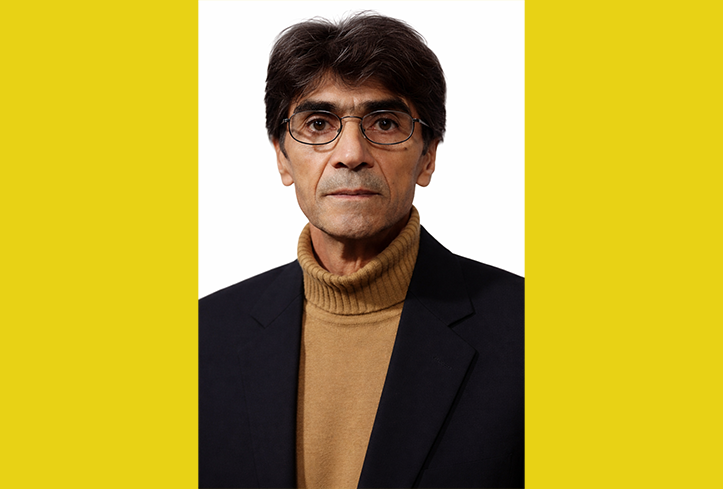
Naser Taghvai – A Voice of Realism in Iranian Cinema
- Mar , 2026
- Abhishek Galshar
I have always been passionate about watching Iranian filmmakers and learning from their craft. Among them, Naser Taghvai stands out as a remarkable storyteller whose work reflects depth, realism, and a strong cultural identity.
Naser Taghvai was a highly respected Iranian film director and screenwriter, born in Abadan, Iran. He began his creative journey as a story writer, and later moved into documentary filmmaking in 1967. His early works already showed his keen observation of human life and environment.
He made his feature film debut with Tranquility in the Presence of Others (1970), which received critical appreciation in Iran and established him as a serious filmmaker. Taghvai gained widespread popularity with the television series My Uncle Napoleon, a landmark production that remains beloved among audiences.
His films are especially known for their strong depiction of the ethnography and atmosphere of southern Iran. He had a unique ability to capture the soul of a place and its people with honesty and poetic realism. Many of his works are also inspired by literary sources, reflecting his deep connection with storytelling traditions.
One of his most notable films, Captain Khorshid (1987), is an adaptation of Ernest Hemingway’s novel To Have and Have Not. The film is a powerful example of how Taghvai blended global literature with local Iranian culture. It received international recognition and won the third prize at the 48th Locarno International Film Festival in 1988.
In 1999, he directed a segment of the film Tales of Kish, which was nominated for the Palme d’Or at the prestigious Cannes Film Festival. This further highlighted his presence on the global stage.
Apart from Captain Khorshid, Taghvai is also known for works such as Kaghaz-e Bikhat and the television series My Uncle Napoleon, both reflecting his strong narrative style and cultural sensitivity.
Naser Taghvai passed away on 14 October 2025 at the age of 84. His contribution to Iranian cinema remains invaluable. Through his films, he left behind a legacy of realism, literature-driven storytelling, and a deep respect for regional identity—qualities that continue to inspire filmmakers like me.
Written for OTT Cinema Diaries
For more information, visit: www.ottcinemaaward.com