
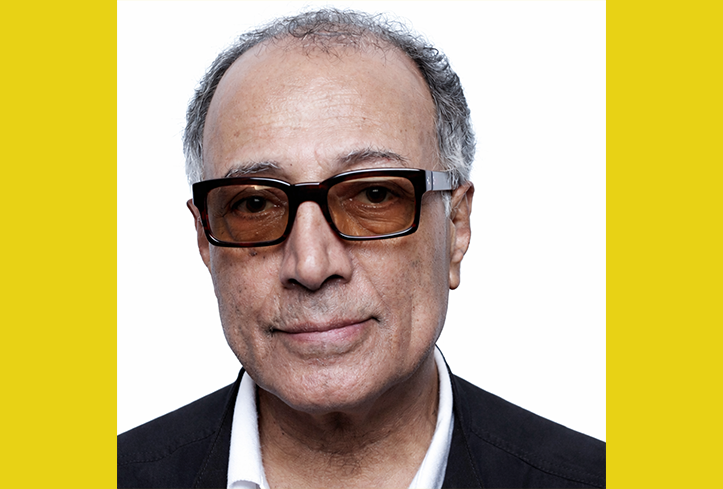
The Silent Power of Storytelling: Learning from Abbas Kiarostami
- Mar , 2026
- Abhishek Galshar
I have always been deeply passionate about watching Iranian filmmakers and learning from their unique cinematic language. Among them, Abbas Kiarostami stands out as one of the most inspiring and influential artists I have ever explored.
Abbas Kiarostami was born in Tehran in 1940. From an early stage, he showed a strong inclination toward art and creativity. He pursued a degree in Fine Arts, which laid the foundation for his visual sensibility. Before entering cinema, he worked as a graphic designer, where he developed a deep understanding of composition, minimalism, and visual storytelling—qualities that later became the essence of his films.
His journey into filmmaking began when he joined the Center for the Intellectual Development of Children and Young Adults. There, he established a film department, marking the true beginning of his career as a filmmaker at the age of 30. What fascinates me most is how organically he transitioned from visual art to cinema, carrying his artistic vision into every frame.
Over the years, Kiarostami directed numerous films and became one of the most important figures in contemporary Iranian cinema. His storytelling style is simple yet profoundly philosophical. His films often blur the line between fiction and reality, encouraging the audience to actively engage and reflect. As a viewer, I feel that his cinema doesn’t just tell a story—it invites you to experience life itself.
Some of his works that deeply impacted me include The White Balloon (written by Kiarostami and Jafar Panahi), Taste of Cherry, Certified Copy, and Ten. Each of these films offers a unique experience. They are not just meant to be watched—they make you think, question, and emotionally connect. While watching his films, I never feel like a passive viewer; instead, I become part of the narrative.
Beyond filmmaking, Kiarostami was also a poet, photographer, and visual artist. His exhibitions across the world reflect his deep sensitivity toward nature, human emotions, and everyday life. This multi-dimensional creativity is something I truly admire and aspire to learn from.
For me, Abbas Kiarostami is not just a filmmaker—he is a master of simplicity and truth in cinema. His work proves that powerful storytelling does not require complexity, but honesty and vision. His journey continues to inspire me as I explore and understand the art of filmmaking more deeply.
Written for OTT Cinema Diaries
For more information, visit: www.ottcinemaaward.comˇ